
Like any typical Indian, I am that one person who keeps scouring through the app pages to look for deals and make sure I’m on the profitable side. Whether it’s a “Buy 1 Get 1” or a “Free Gift on Orders Above ₹999,” I feel a sense of victory when I click ‘Checkout.’ I tell myself I’ve gamed the system.
The “Zero Price” Free Marketing Deals
However, I often forget that I’m compromising on the quality. In that rush to save a few hundred rupees, I ignore the fact that the “free” product is often something I didn’t need, or worse, something that won’t last a week.
Typical Middle-Class Scenario
Now, this scenario is more relevant to a middle-class person who barely fits all the expenses for a month, shopping for survival. By the end of the month, it would be countless calculations on the borrowed money and the mental gymnastics of trying to make the remaining balance stretch until the next salary hits.
The Profit Illusion
So am I ignorant of this compromise or the profit illusion?
The answer is simple. No.
But our brain is programmed in a way that we believe money saved here and there would let us buy something else. But in reality, we would be spending on the same product to fill the deficit of the current product. We are under what I call the “Profit Illusion.”
The “Profit Illusion” and the Swiggy Trap
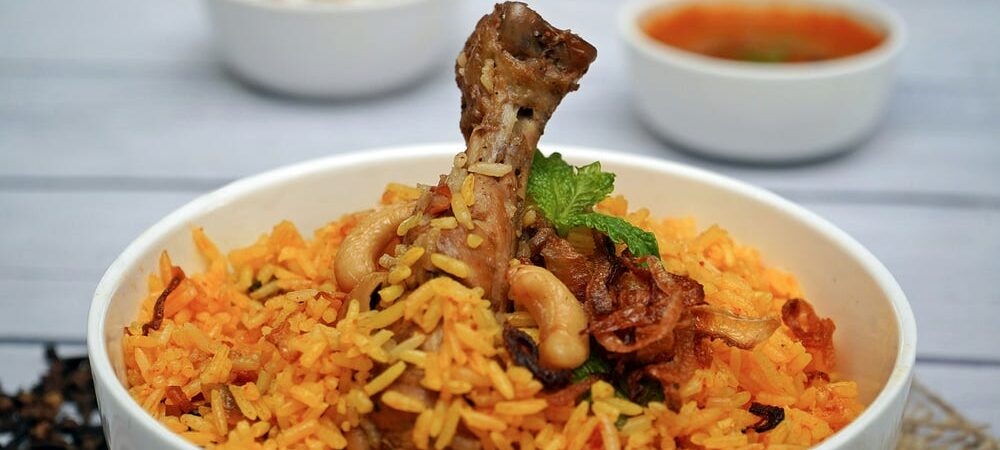
I opened the online food ordering app Swiggy, craving a chicken biryani. My mind was set on that spice, the aroma, and the comfort of a good meal. But as I scroll, I am lured to deals that appear at the top of the app, saying “50% off” or sometimes attractive offers with a McDonald’s combo. The “deal hunter” in me wakes up. I end up chasing the discounts instead of the food, and within minutes, I have placed the order for something entirely different just because it was “cheaper.”
At the end, I would be so relieved, calculating the “profit” I made using the offers. But even then, there is a tint of pain on the unfulfilled craving or hunger for a CHICKEN BIRYANI. Lol!
Another compromise!
This time it is not the quality but one’s interest here.
Sometimes it’s a compromise with quality; other times, it’s a compromise with our own happiness. We think we are winning the game against the apps, but we are actually losing the experience we wanted.
The “Limited Offer” Trap: Luring Offers that Fool You
I was at the receiving end last month while buying an app, Emergent — an AI-assisted app in which I found many promising features. I was over the moon when I found that they had an offer of 99 rupees this month (a limited offer). This limited offer plays with our weak minds, forcing us to rush with our decisions.
The offer said 1690 for the coming months. I thought for myself (a typical Indian here), “Oh, I’ll make use of it to my best and not renew the subscription next month.” Well, the marketing world is much smarter or cleverer than us. I spent hours building an app and was on the verge of downloading it when I got the message saying, “Your credits are over. Recharge with xxx or wait until next month.”
Really? Honestly, I felt embarrassed and ashamed.
The Fine Print and the Dubbing Artist
A similar scenario is the minute-font lengthy agreement policy that businesses include without fault, wishing we wouldn’t read it completely. To their joy, when we have an issue, they say, “Ma’am, this is already mentioned in the policy.”
Well, when I watch TV ads, I often wonder at the need to read out the disclaimer, which no one understands, not even the dubbing artist who did the voice-over.
It’s all part of the same game. They lure us in with the big, bold numbers and hide the truth in the speed of the voice or the size of the font.
The Conclusion
The truth is, we are not winning (or saving). When you are sitting there eating a meal you didn’t really want or looking at an AI app you can’t even use, you realize the profit is a lie.
Well, the irony is, I’m a marketing professional who is also a part of the game, yet a victim.
It shows that even when you know how the “magic trick” is done, you still fall for the illusion.
I think there is no escape from this illusion. 🙂

Leave a Reply